
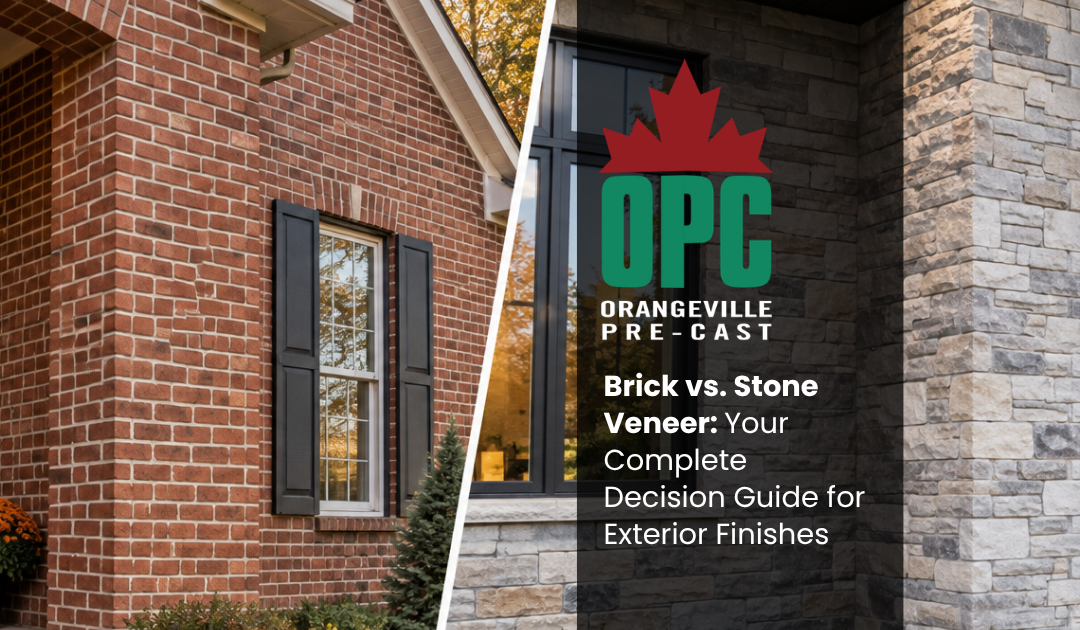
This guide is designed to cut through the noise. We’ll provide a clear, data-driven comparison of the four main contenders, traditional full brick, brick veneer, manufactured stone veneer, and thin-cut natural stone, so you can make a confident decision that aligns with your vision, budget, and performance expectations. As a supplier of premium masonry products since 1966, we’ve helped countless homeowners and contractors navigate this very choice, and we’re here to share that expertise with you.
The Masonry Landscape: Defining Your Four Core Options
Before we compare, it’s essential to understand exactly what we’re talking about. The terms can be confusing, but the differences are critical.
Traditional Full Brick
This is the classic, structural masonry you see in older homes. Each brick is a full-sized, solid unit that bears the structural load of the wall. It’s known for its incredible longevity and has a rich legacy in the history and architectural significance of stone and brick in Canadian building design.
Modern Brick Veneer
Unlike full brick, brick veneer is a non-structural exterior layer. It uses thin, lightweight bricks applied over a home’s structural frame, creating the same classic look without the immense weight or structural requirements. This is the most common method for modern brick homes. For this, we trust premier brands like Meridian Brick, known for their consistent quality and vast style selection.
Manufactured Stone Veneer (MSV)
Often called faux or cultured stone, MSV is a concrete-based product poured into moulds and coloured to mimic natural stone. It’s lightweight, versatile, and highly cost-effective. Industry-leading products from Cultured Stone offer incredibly realistic textures and colours, making it difficult to distinguish from the real thing.
Thin-Cut Natural Stone Veneer
This product offers the best of both worlds: the authentic beauty of real stone, cut thin. Quarried natural stone is sliced into a veneer, making it light enough to be installed without a structural ledge. It delivers unmatched authenticity because it is the real thing. Brands like Arriscraft are masters of this, providing genuine stone with the performance and consistency modern construction demands.
Aesthetic Impact: Crafting Your Home’s First Impression
Your home’s exterior is a statement. Each material offers a different vocabulary to express your style.
- Brick veneer delivers a timeless, classic, or industrial look. With options from Meridian Brick, you can achieve anything from a uniform, modern facade to a rustic, reclaimed appearance. The clean lines and consistent patterns lend a sense of order and tradition.
- Manufactured stone veneer provides immense versatility. Because it’s a manufactured product, Cultured Stone can replicate countless styles, from river rock to fieldstone to ledgestone, in a vast array of colours. This makes it ideal for achieving a specific, customized aesthetic.
- Thin-cut natural stone offers unparalleled authenticity. Every piece is unique, with natural variations in colour and texture that cannot be replicated. Arriscraft products provide an organic, high-end look that speaks to permanence and a deep connection to the landscape.
A popular modern trend is to mix materials, using stone as an accent on a brick facade to create visual interest and highlight architectural features like entryways or gables.
The Bottom Line: A Detailed Cost & ROI Analysis
Budget is a primary driver for any project. Here’s how these materials stack up, considering material, labour, and long-term value.
| Material | Installed Cost (per sq. ft.) | Key Factors |
|---|---|---|
| Brick Veneer | $14 – $24 | Consistent labour costs, predictable material pricing. |
| Manufactured Stone (MSV) | $10 – $45 | Wide range based on style complexity; often lower labour costs. |
| Thin Natural Stone | ~$17+ | Higher material cost, but offers premium value and authenticity. |
While MSV can have a lower entry price, the return on investment for stone is remarkable. A 2023 report from Zonda cited by Casa di Sassi found that exterior stone siding can have an ROI of up to 153%, a powerful testament to its perceived value and curb appeal.
Long-term costs are also a factor. Brick may require tuck-pointing every few decades to repair mortar joints. Properly installed stone veneers, both manufactured and natural, are virtually maintenance-free.
Durability & Longevity: Building an Enduring Exterior
All of these materials are designed to last, but they perform differently, especially in the demanding Canadian climate.
- Weather resistance: Modern brick and stone veneers are engineered to withstand freeze-thaw cycles. High-quality MSV from brands like Cultured Stone performs exceptionally well, while the inherent density of natural stone from Arriscraft provides superior durability.
- Lifespan: When installed correctly, both brick and stone veneers can last for 50 years or more. Many leading manufacturers offer warranties of 50 years, giving you peace of mind in your investment.
- Impact resistance: Natural stone is the clear winner here, offering the highest resistance to dings and chips. However, high-density MSV and brick are also incredibly durable for residential applications.
Understanding the thermal properties of these materials is also important for energy efficiency. You can learn more by understanding R-value: the insulating and thermal properties of different masonry materials.
Installation & Structural Needs: What Lies Beneath the Surface
This is where the difference between these materials becomes most apparent and where professional expertise is crucial.
Structural Load & Support
A traditional full brick wall is heavy and requires a concrete foundation or structural ledge to support its weight. Veneers, on the other hand, are much lighter and are adhered directly to the wall sheathing. This makes veneers ideal for renovations and applicable to a much wider range of projects without needing costly foundational work.
The Critical Role of Moisture Management
More important than the material itself is the system behind it. A properly installed veneer is part of a complete moisture management system that includes a water-resistive barrier (WRB), proper flashing around openings, and an air gap or drainage plane that allows any incidental moisture to escape. Without this, you risk serious water damage, regardless of how durable your brick or stone is.
Common Installation Mistakes to Avoid
Even the best materials will fail if installed improperly. Common mistakes include:
- Improper flashing: Failing to properly direct water away from windows, doors, and roof lines.
- No weep holes: Blocking the small holes at the base of a brick wall that allow moisture to drain.
- Inadequate surface prep: Applying veneer to a substrate that isn’t clean, dry, and stable.
- Lack of a proper drainage plane: Trapping moisture behind the veneer, leading to rot and mold.
For those considering a hands-on approach, our guide on DIY stone veneer installation: essential tips, recommended tools, and common mistakes to avoid is an essential resource.
The Final Verdict: A Framework for Your Decision
With all this information, how do you choose? Ask yourself these questions:
- What is my primary driver? If budget is your top concern, high-quality MSV offers incredible value. If authenticity and premium feel are non-negotiable, thin-cut natural stone is the answer. If you love a timeless, classic aesthetic, brick veneer is a perfect fit.
- What is my home’s architectural style? A rustic farmhouse may call for fieldstone, while a contemporary home might look stunning with the clean lines of architectural stone or a sleek, dark brick.
- What is my tolerance for maintenance? While all are low-maintenance, brick may eventually require mortar work. Stone veneers, when installed correctly, are essentially a “set it and forget it” solution.
| Feature | Best for… | OPC Recommends |
|---|---|---|
| Maximum Authenticity | Homeowners who want the unmatched look and feel of real stone. | Arriscraft |
| Design Versatility & Value | Projects demanding a specific look within a controlled budget. | Cultured Stone |
| Timeless & Classic Appeal | Achieving a traditional or modern look with proven performance. | Meridian Brick |
Partner with OPC for Expert Guidance and Premium Materials
Choosing an exterior finish is a journey, and you don’t have to take it alone. For over 50 years, Orangeville Precast has been the trusted partner for contractors and homeowners across Dufferin County and beyond. Our experienced team can walk you through the options, help you compare samples, and connect you with the best materials for your project.
We proudly carry a comprehensive selection of the industry’s best brands, including the classic appeal of Meridian Brick, the versatile and realistic Cultured Stone, and the authentic beauty of Arriscraft natural stone.
Visit one of our locations or contact our team today to get the expert guidance you need to bring your vision to life.
Frequently Asked Questions
Which is cheaper, brick or stone veneer?
Generally, manufactured stone veneer can have a lower material cost and faster installation time, often making it the more budget-friendly option upfront. However, prices vary widely based on the specific product style, so it’s always best to compare quotes for your chosen selections.
How long does manufactured stone veneer last?
When properly installed, a high-quality manufactured stone veneer from a reputable brand like Cultured Stone will last 50 years or more. Most leading manufacturers provide a 50-year warranty to back up their product’s durability.
What are the disadvantages of stone veneer?
The primary disadvantage is improper installation. If the moisture management system behind the veneer is not installed correctly, it can trap water and lead to significant damage. This is why choosing a skilled installer is just as important as choosing a quality material.
Does manufactured stone look real?
Modern, high-end manufactured stone veneer is incredibly realistic. Brands like Cultured Stone use moulds taken from real stones and apply colour in multiple layers to replicate the depth and variation of natural stone. For most people, it’s very difficult to tell the difference without touching it.